The WNBA Is Dropping the Ball With Caitlin Clark
By Kato Tam
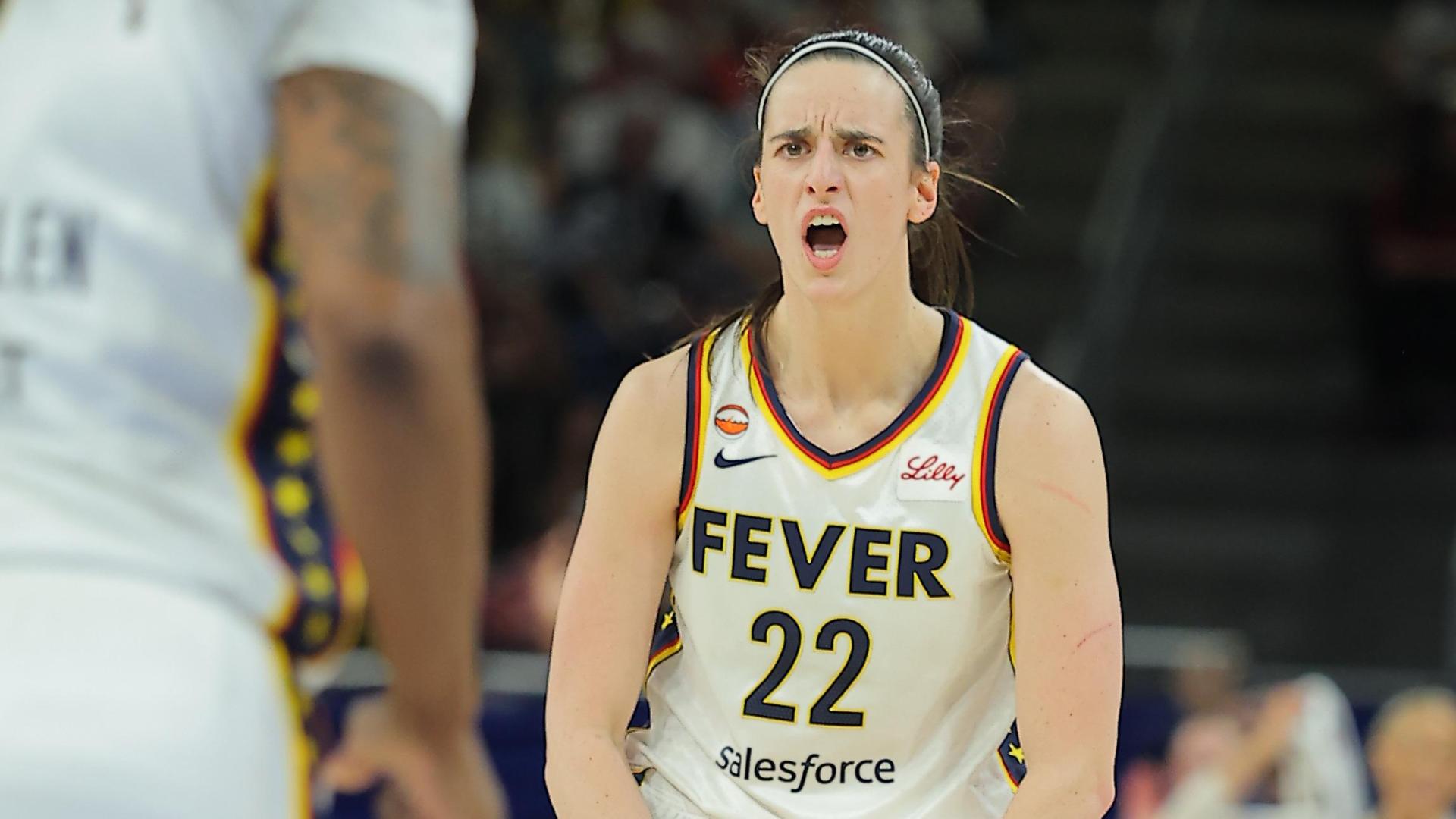
It doesn't happen very often, but every generation produces an athlete who becomes bigger than their sport. Michael Jordan did it for basketball. Tiger Woods did it for golf. They weren't just stars. They became household names that attracted people who otherwise had little interest in watching the sport.
Caitlin Clark has that same potential.
The evidence is already there. Television ratings have climbed. Attendance has surged. Merchandise sales have increased. Corporate sponsors have followed. The league now enjoys greater national attention than at any point in its history, and charter flights have become standard for teams after years of players campaigning for better travel conditions. Whether people love or dislike Caitlin Clark, they are paying attention.
So why does it feel like the conversation is rarely about basketball?
Instead, it often revolves around controversy. Every hard foul, every postgame comment, every social media argument, and every perceived slight becomes the headline. Rather than celebrating the quality of play, the discussion frequently shifts toward debates that divide fans instead of bringing them into the sport.
Here are five reasons I think that could become a long-term problem.
1. The Conversation Is Constantly About Controversy
A growing league should want people talking about great games, incredible performances, and championship races. Instead, many headlines revolve around disputes involving Caitlin Clark. Whether intentional or not, the basketball itself often becomes secondary to the surrounding drama.
The WNBA should want the conversation to revolve around great games, elite players, and memorable moments. Instead, it often feels like the league is feeding the online culture war surrounding Caitlin Clark. Fans constantly notice promotional graphics that leave Clark off national television advertisements or feature rookies who average only a handful of minutes and a few points per game. No disrespect to those players, but everyone understands how sports marketing works. If you have the biggest draw in your league, you put that person front and center.
Whether those decisions are intentional or not, many fans interpret them as the league trolling Clark's supporters. That perception becomes the story instead of the basketball.
2. Basketball Becomes a Political Proxy
Sports have always reflected society to some degree, but the WNBA often finds itself pulled into broader political debates. As a result, discussions about Caitlin Clark can quickly become arguments about issues far beyond basketball. Once that happens, people stop debating the game and start debating ideology, making it harder for casual fans to simply enjoy the sport.
Every major athlete brings attention, but the discussion surrounding Caitlin Clark often shifts into conversations about race instead of basketball. One example came when Dijonai Carrington posted "WHITE PRIVILEGE" on social media while tagging the Indiana Fever after receiving a Flagrant 2 foul. Regardless of anyone's opinion about Clark or Carrington, a Flagrant 2 has a clearly defined rulebook consequence.
Moments like that move the conversation away from basketball and into political and social debates. Once that happens, fans stop discussing the game itself and begin arguing over issues that the league cannot realistically solve through basketball.
3. The League Too Often Creates Distractions
The WNBA has generated headlines that have little to do with basketball. Public debates involving figures such as Enes Kanter Freedom and Royce White declaring for the WNBA draft, highly publicized confrontations involving team owners and fans, and criticism directed at league leadership have all drawn attention away from the product on the court. Fair or unfair, those moments contribute to a perception that the league spends too much time responding to controversy instead of showcasing its athletes.
Whenever criticism is directed at the league, the public conversation often shifts toward statements about online hate, trolls, racism, or players receiving threats. Any genuine threats should absolutely be investigated and taken seriously. No athlete deserves harassment.
At the same time, those conversations frequently overshadow legitimate basketball criticism. Fans might be questioning officiating, scheduling, marketing, or league decisions, yet the public response often becomes centered on social media behavior instead. The result is that basketball once again takes a back seat.
4. The League Disrespects Their Once-in-a-Generation Star
Every major sports league eventually gets an athlete capable of bringing in millions of new viewers. The NBA embraced Michael Jordan. Golf embraced Tiger Woods. Tennis embraced Serena Williams. The NFL built around stars like Tom Brady and Patrick Mahomes.
The WNBA doesn't need to ignore its other players, but it also shouldn't be afraid to promote the athlete who has already proven she can attract new audiences. Growing the league benefits everyone. One of the stranger patterns surrounding WNBA coverage is how often Caitlin Clark enters conversations that are supposed to be about someone else. A player has a great game, and somehow the discussion turns into why Clark isn't as good or why another player deserves more attention.
The problem isn't celebrating other stars. The league absolutely should. The problem is that Clark often becomes the comparison point, usually in a negative way. Instead of allowing every player to build their own identity, the conversation constantly circles back to Clark. That dynamic creates unnecessary division between fan bases and reinforces the idea that the league benefits from keeping its biggest star at the center of every controversy.
5. Protecting Your Biggest Attraction Matters
Physical play has always been part of basketball, and Caitlin Clark shouldn't receive special treatment simply because she's popular. At the same time, every league has an interest in protecting its star players through consistent officiating. When discussions repeatedly focus on hard fouls, missed calls, and whether the league is doing enough to protect its biggest draw, the conversation once again shifts away from basketball itself.
Every successful professional league understands that protecting its biggest attractions is simply good business.
The NBA knows that if LeBron James or Stephen Curry suffers a preventable injury because games are being poorly officiated, everyone loses. Fans lose. Television partners lose. Sponsors lose. The league loses. Whether fair or unfair, many viewers have come away with the impression that the WNBA is comfortable letting the narrative develop that its biggest attraction is constantly taking unnecessary punishment without adequate protection.
That perception has consequences. Instead of people talking about Clark's passing, shooting, or playmaking, the discussion shifts back to hard fouls, officiating, and whether the league values its own superstar. In the short term, those debates create engagement. In the long term, constantly trading goodwill for outrage may not be the strongest strategy for building a lasting fan base.
Will It Work?
Maybe.
Controversy can absolutely drive short-term attention. Sports networks know it. Social media algorithms know it. Heated debates generate clicks, comments, and engagement. The bigger question is whether controversy builds a lasting fan base.
History suggests that the most successful leagues ultimately keep the spotlight on the game itself. Rivalries and personalities matter. Debate matters, but those elements work best when they support the sport instead of replacing it.
The WNBA has an opportunity that very few leagues ever receive: a player who has already expanded the audience beyond traditional basketball fans. Whether the league fully capitalizes on that opportunity remains to be seen. If history is any guide, the leagues that thrive over the long run are the ones that make the sport the main attraction, not the controversy surrounding it.