We Automated Our Lives and Forgot to Ask Who Was in Charge
By Kato Tam
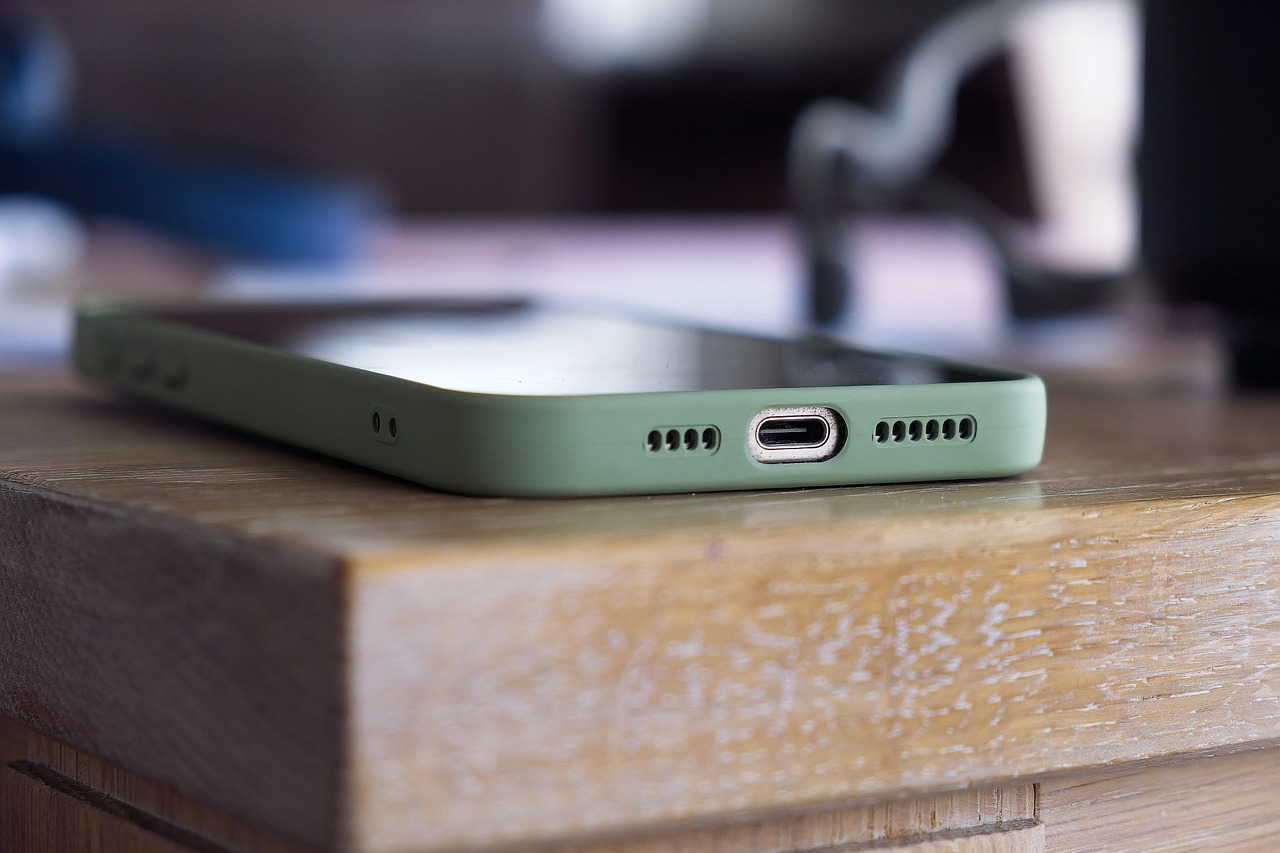
At some point, technology stopped being something we used and started becoming the environment we live inside. Our phones replaced cameras, alarm clocks, maps, music players, wallets, boarding passes, newspapers, calendars, and half the stuff we used to keep around the house. Nobody sat down and voted on this. It just happened one software update at a time.
We automated our lives because convenience kept winning.
Music is probably the easiest example. I remember when listening to music meant actually owning something, whether that was a CD, an MP3 file, or a folder buried somewhere on a computer. Now I open Spotify and practically every song I could ever want is sitting there waiting for me. That's amazing, but it also means Spotify decides what gets recommended, what disappears, what gets pushed, and what I discover next. I have access to more music than ever while owning almost none of it.
The phone itself followed the same path. Calling someone used to involve dialing a number and talking. Now communication runs through operating systems, messaging apps, cloud accounts, spam filters, contact syncing, video platforms, and whatever new service everyone suddenly decides they need this year.
Then the hardware companies started deciding what we didn't need anymore.
The headphone jack disappeared, removable batteries became rare, physical keyboards mostly vanished, and wired home phones went from normal to something that feels almost historical. Most people didn't necessarily ask for those changes, but once manufacturers moved on, the rest of society followed.
Try living without a smartphone today and you'll discover very quickly that opting out isn't really much of an option. Banking wants an app. Parking meters want an app. Airlines want a digital boarding pass. Restaurants hand you a QR code. Events want tickets stored on your phone. Workplaces want authentication codes sent to the device you're supposedly free not to own.
You can technically refuse all of this, of course. You can also technically walk across town instead of using a car, but at some point the inconvenience becomes the decision for you. Once enough businesses design their services around smartphones, smartphones stop feeling optional.
This is where algorithmic ethics becomes interesting to me because it is much bigger than whether ChatGPT gives someone a questionable answer. Algorithms already determine which posts we see, what videos appear next, which emails get filtered, what products get recommended, what directions we follow, and what news gets placed in front of us. AI is going to push that influence much further because the software will increasingly understand our habits well enough to anticipate what we want before we consciously decide. The convenience will be incredible, which is exactly why people will use it. That also means the companies controlling those systems will have even more influence over everyday decisions.
And I will probably use all of it too.
I like having Google Maps tell me where traffic is terrible. I like my phone remembering appointments, streaming services remembering where I stopped watching, and software taking care of annoying tasks that used to waste my time. I'm not going to throw my smartphone into the desert and install a rotary phone just to prove that I'm above technology.
What bothers me is how rarely we stop to think about who is making these decisions for us. A company changes an interface and millions of people adjust. A manufacturer removes a feature and consumers buy an adapter. An algorithm changes what it promotes and suddenly an entire category of content becomes more visible or disappears from our feeds. None of those changes feels enormous by itself, but stacked together they shape how we live.
The future of AI probably won't arrive with some dramatic moment where everyone realizes that machines have taken control. It will arrive through hundreds of tiny conveniences that save us thirty seconds here, five minutes there, and an annoying decision somewhere else. Eventually the software will know what we watch, where we go, what we buy, who we talk to, what we read, and how we organize our day.
The real ethical question may not be whether AI becomes intelligent enough to control us, but whether we become comfortable enough to stop noticing how much control we've already handed over.