Streaming Makes Old Music Easier to Discover but New Music Harder to Dominate
By Kato Tam
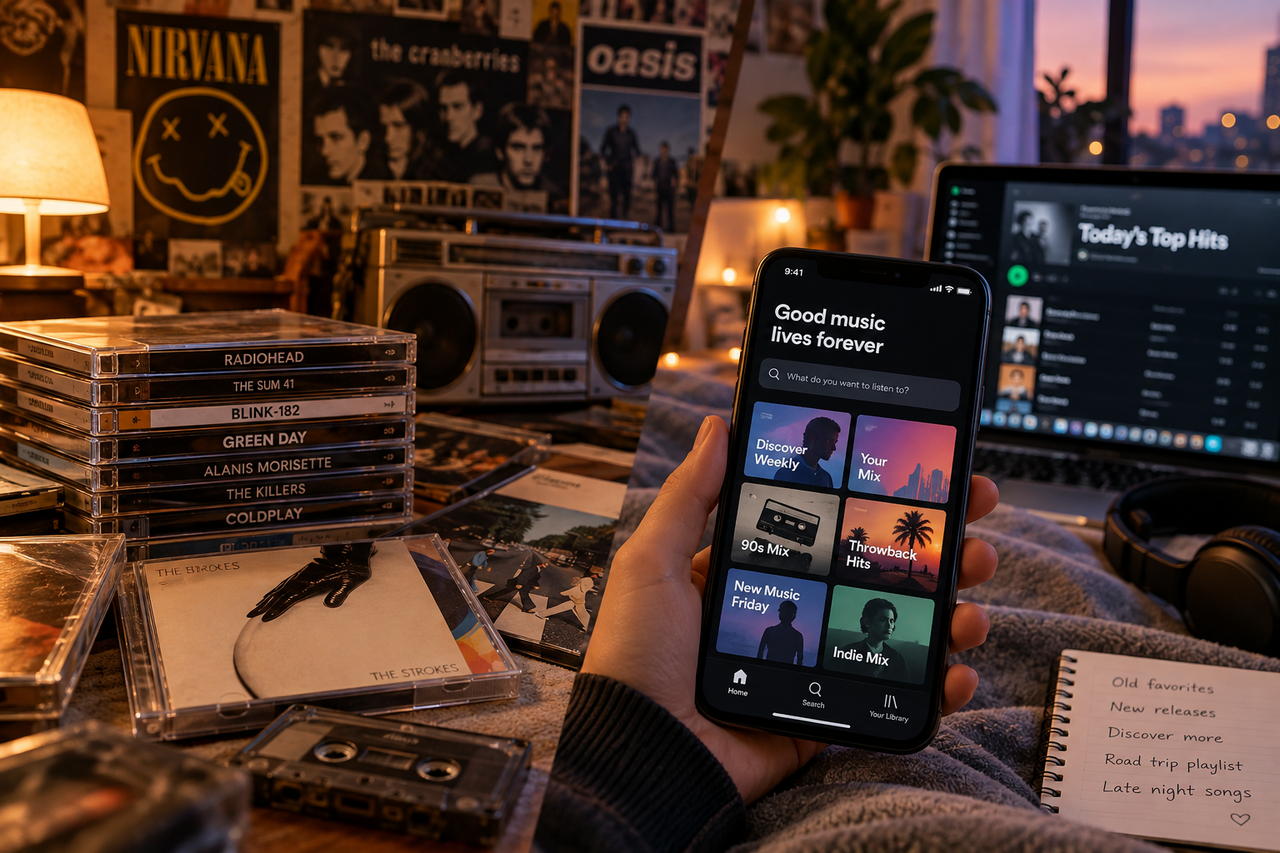
A teenager discovering a song from 2006 today can listen to it just as easily as something released this morning.
That sounds normal now, but music did not always work that way. Before streaming, older music was available, but finding it required more effort. You needed to own the CD, hear the song on the radio, borrow an album, download it, or deliberately go looking for it.
New music had a huge advantage simply because it was new.
Radio stations played the current hits. MTV showed current music videos. Stores put new albums near the front. Entertainment magazines covered the newest releases, and everyone encountered many of the same songs at roughly the same time.
The music industry did not just create hits. It created moments.
Streaming removed much of that advantage because almost the entire history of recorded music now sits beside today's releases. A song from 1985 does not live in an old record collection anymore. It lives one search result away from a song released five minutes ago.
Algorithms can make the difference even smaller.
Spotify, YouTube, Apple Music, and other platforms can recommend music based on what someone might enjoy rather than when the song was released. A listener who likes a current artist might suddenly get recommended a song recorded decades before they were born.
TikTok pushed this even further by regularly turning older songs into current cultural moments.
Kate Bush's "Running Up That Hill" returned decades after its original release. Fleetwood Mac's "Dreams" found another generation through a viral video. Songs that once would have depended on an oldies station or someone's parents introducing them can suddenly appear alongside whatever is currently trending.
Old music no longer has to stay old.
That is great for discovery, but it creates a strange problem for new artists. A new release is not competing only with the other songs released that week. It is competing with decades of music that listeners already know, plus millions of songs they have not discovered yet.
That may help explain why today's biggest songs can feel enormous without necessarily feeling universal.
Twenty years ago, avoiding a massive hit could be difficult because the same song followed you through radio, television, stores, restaurants, school dances, and other shared spaces. Today I can spend hours listening to music without hearing the current number-one song once.
My playlist does not care what everyone else is listening to.
That freedom is one of streaming's biggest improvements, but it also means fewer songs become unavoidable cultural landmarks. We gained the ability to build our own musical worlds while losing some of the shared soundtrack that came from everyone having fewer choices.
There is an interesting trade happening.
Music has never had a longer shelf life, because almost any song can be rediscovered at any time. But new music may have a harder time owning a specific moment because listeners no longer have to live entirely in the present.
Streaming made the past permanently available.
The surprising result is that new music now has more competition than ever, and some of its toughest competition was released decades ago.